

Securing Resilient Technical Delivery:
Driving Returns Through Cross-Border Leadership Integration
Securing Resilient Technical Delivery:
Driving Returns Through Cross-Border Leadership Integration
As research across European and GCC projects demonstrates, one of the most profound single catalysts for project delays and diminished economic returns lies in systemic cognitive frictions: fundamentally divergent interpretations of contractual obligations, asymmetric delegation of authority, and conflicting definitions of what actually constitutes “timely completion.” Such systemic risk is an ever-present feature of cross-border integration, yet it remains routinely and perilously underestimated by project architects.
1. Divergent Leadership Frictions in Safety Management
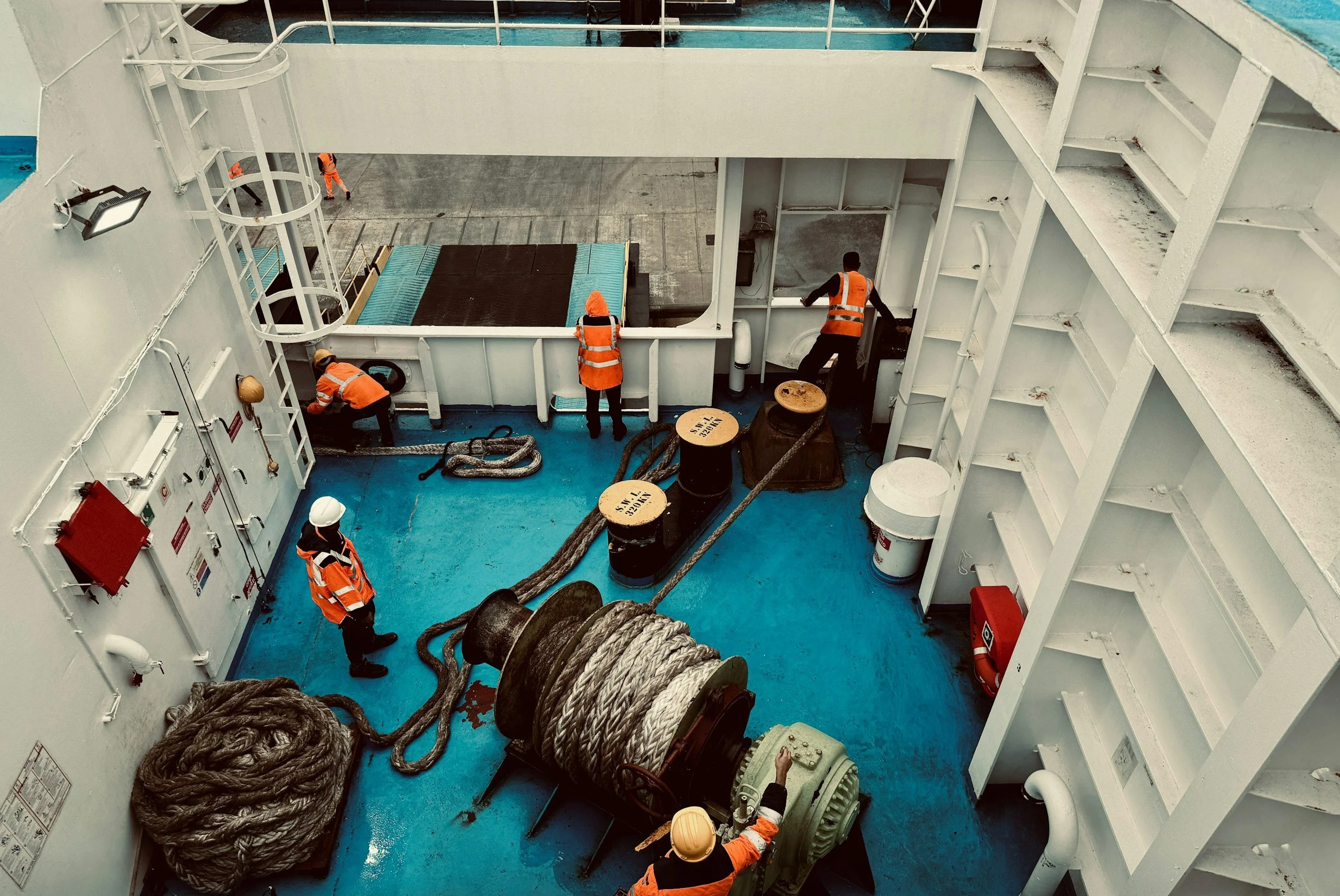
A consensus-driven leadership model can be perceived as perilously ambiguous in certain operational contexts. Within Human and Organisational Performance (HOP) frameworks and high-risk environments, a shared, unambiguous understanding of decision-making protocols and escalation pathways is not merely preferable; it is an absolute operational necessity.
2. Friction in Operational Handovers

In cross-border projects and daily operations, the threshold for escalating uncertainty varies profoundly across different silos. Institutional misunderstandings that remain undetected in their infancy invariably surface during the execution phase, crystallising into costly operational delays and unmitigated Health, Safety, and Environment (HSE) anomalies.
3. Opaque Operational Risks

What constitutes a mere recommendation in one cultural paradigm may be interpreted as an absolute mandate in another. In the absence of a harmonised calibration of expectations and regulatory requirements, institutional risk exposure will inevitably compound.
Global Standards, Local Realities: Rethinking Safety Management in High-Risk Industries
This study illuminates how frontline management and cultural context dictate safety outcomes, emphasising the pivotal role that divergent leadership and team cultures play in the effective management of systemic risk across multinational operations.


Alexander Palselk, Capitol Technology University, Department of Occupational Health and Safety, Laurel, MD, USA