
In domestic teams, professional expertise and human rapport align with remarkable ease, often without a word being spoken.
Implicit rules govern the room, and people follow them instinctively.
In domestic teams, professional expertise and human rapport align with remarkable ease, often without a word being spoken.
Implicit rules govern the room, and people follow them instinctively.
However;
to expect - or assume - that the same applies to multinational teams, is neither reasonable nor productive.
However: To expect - or assume - the same in multinational teams is neither reasonable nor productive.
Labour markets are more globalised than at any point in modern history. The technical and the contractual rightly attract attention.
But still, there are these invisible factors, which not should be considered as negligible cultural curiosities. They are in fact operational liabilities, and when addressed deliberately, the most undervalued source of competitive return in any globally operating organisation.
What follows is how that return is built:
1. We Resolve Invisible Misunderstandings Before They Compound

In multinational teams, divergent working practices and misaligned expectations mean that a single decision can be understood in fundamentally different ways — even when precisely the same information has been shared with everyone around the table. This is not a failure of intelligence; it is a failure of operational clarity.
We establish that clarity where it matters most: in the decision space. Who holds the mandate for what? What input is genuinely required before a decision is reached? And what does “done” actually mean in practice — not in principle, but on Monday morning?
2. Direction and Delivery Through Clarity and Strategic Knowledge
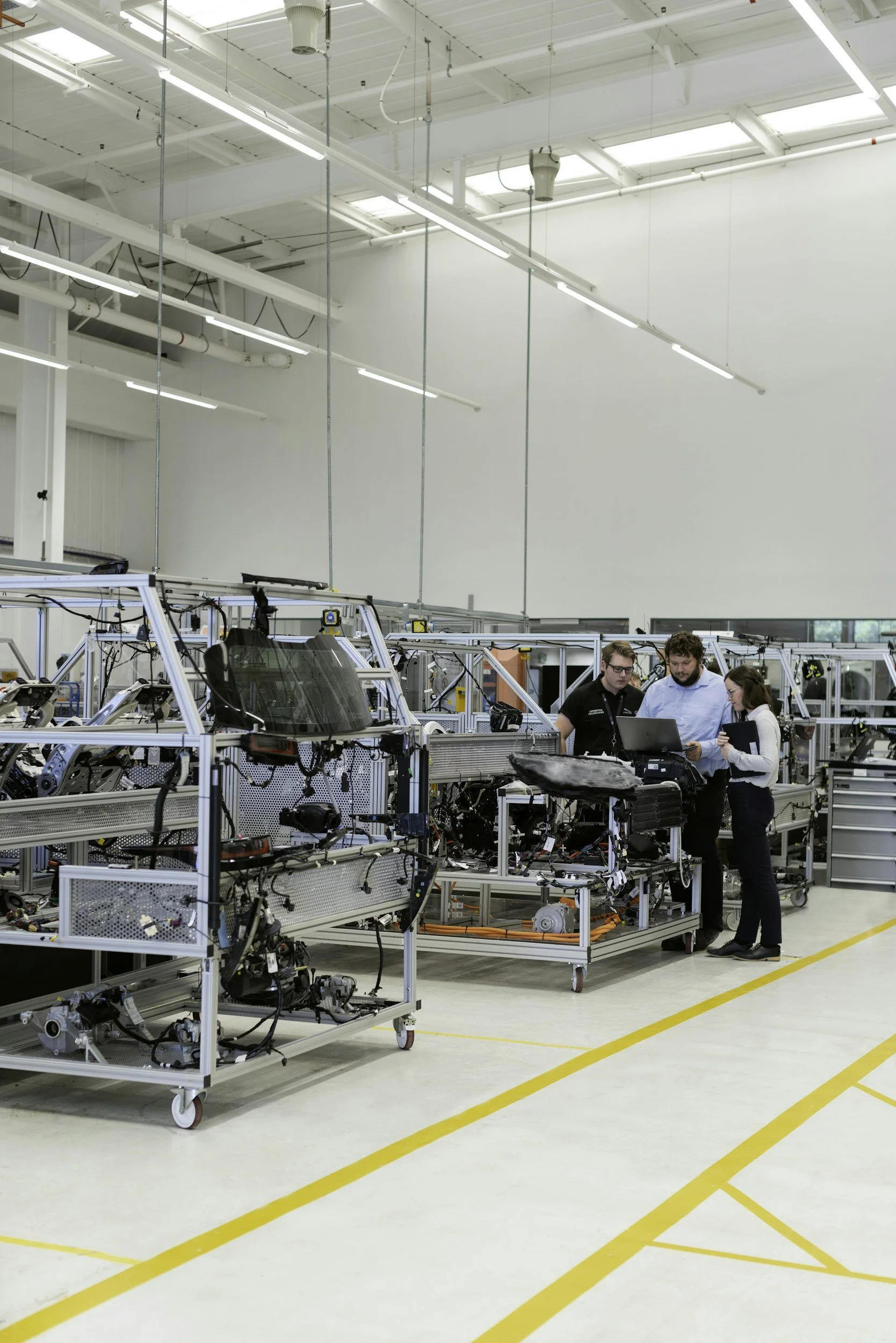
Meeting norms and implicit codes vary considerably across multinational teams. How one takes the floor, how disagreement is expressed, what constitutes a sufficiently clear conclusion — these conventions are rarely articulated, yet they shape every interaction. Left unaddressed, the divergence generates ambiguity that compounds over time, quietly eroding both trust and output.
We surface these dynamics and replace guesswork with shared understanding.
3. Scalable Operational Collaboration

High-functioning multinational teams generate real competitive advantage — but only when people experience clear direction, genuine mastery, and tangible impact from their work, while deliverables remain coherent across borders and time zones. That combination does not emerge spontaneously. It must be constructed.
We make the abstract concrete: defined objectives, clear roles, and explicit deliverables. We build capacity by making daily collaboration and individual accountability straightforward rather than effortful. The result is execution capability that scales precisely when it is needed most — when pace increases and priorities shift.
“The key to effective collaboration frequently lies behind the purely technical and the professional — in the unexamined assumptions that structure how people actually work together”.